
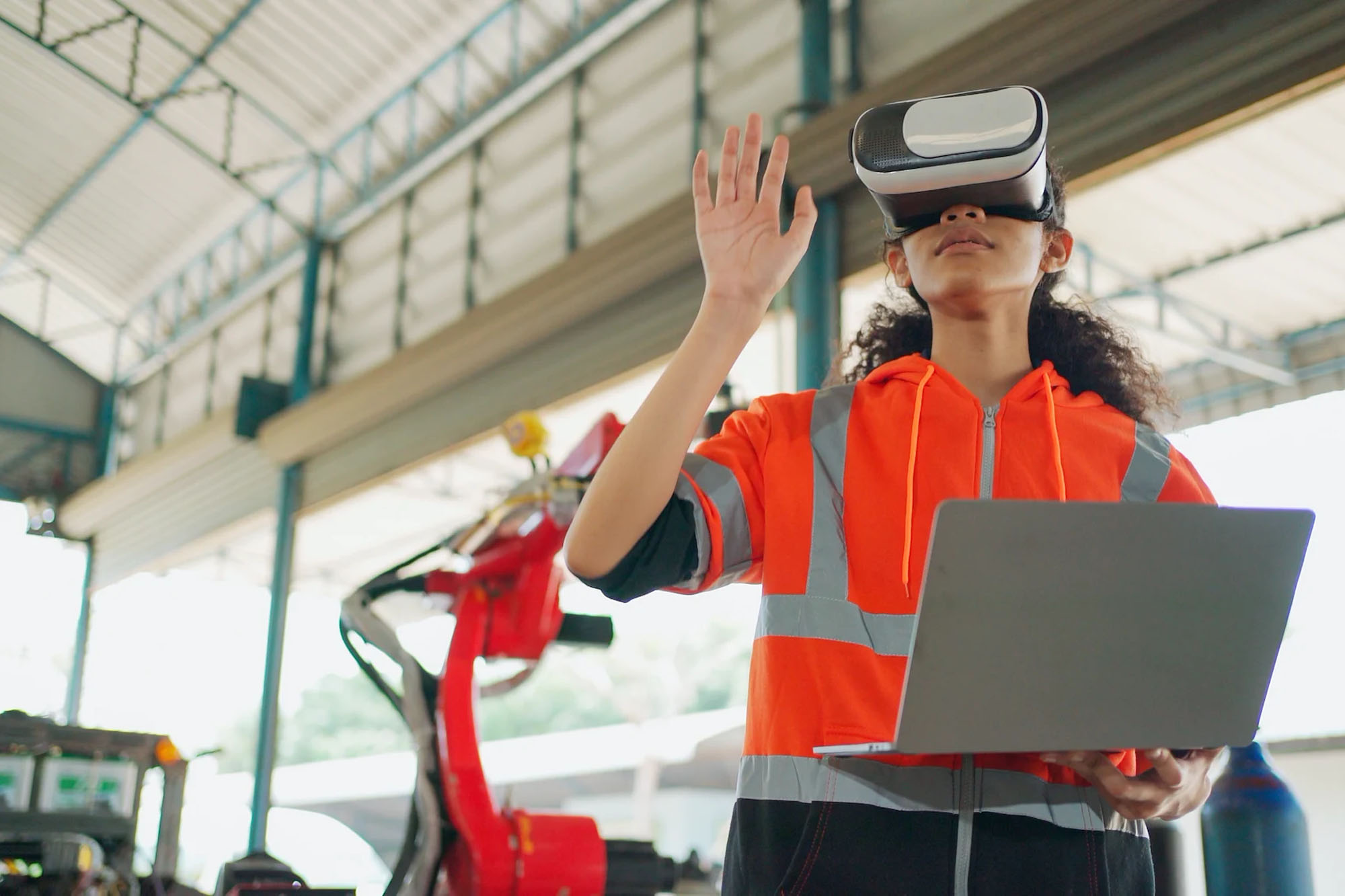
Artificial Intelligence (AI) has the potential to significantly impact sustainable development, positively affecting 70% of the 2030 Sustainable Development Goals (SDGs). However, there is an equity gap in AI development, with only 2% of the world’s data centers located in Africa and minimal investment in AI compared to the US. Additionally, one in three people globally lack internet access. To ensure equitable participation in the AI revolution, 2025 is critical, emphasizing the need for a foundation built on equity and sustainability to avoid widening existing disparities.
Social Development
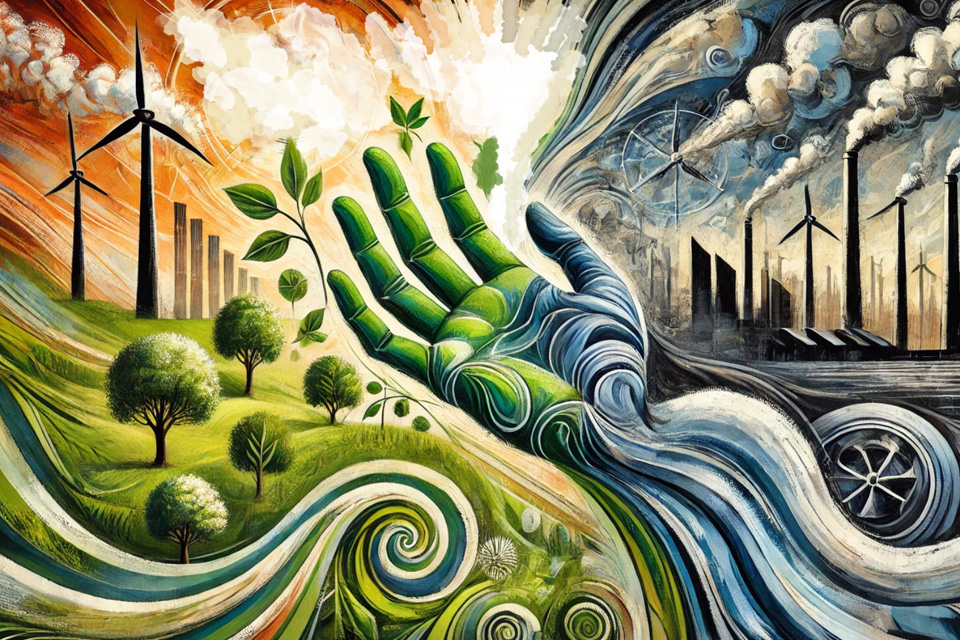
A transition to a sustainable future ensures that the shift to low-carbon economies benefits everyone, particularly vulnerable communities. By integrating social justice with environmental policies, it supports retraining programs, job creation, and social protections to prevent growing inequality. This is especially significant for World Day of Social Justice (20 February), which emphasizes the importance of equitable opportunities for all. Embedding these principles into global policies helps drive targeted economic diversification to counter the decline of fossil fuels.

Despite ongoing efforts, Asia and the Pacific's progress toward the 17 Sustainable Development Goals remains insufficient, according to the latest SDG Progress Report 2025 for the region. The document shows that while notable gains have been made in areas such as industry, innovation and infrastructure, and good health and well-being, the region faces alarming setbacks in climate action. The report emphasizes the importance of citizen data, which complements traditional statistics and helps communities address local challenges, ensuring that no one is left behind.

The ECOSOC Partnership Forum on 5 February is a key global and annual event bringing together governments, businesses, and civil society to tackle economic, social, and environmental challenges. This year’s focus includes health, gender equality, decent work and economic growth, ocean life, and partnerships. The Forum will spark new ideas and priorities to work on and will look to boost innovative collaborations that will drive action and commitment to the 2030 Agenda and emerging global challenges.

A lot happened in 2024, and not all of it was good. Wars continued, protracted conflicts sprung back to life, disasters struck and people took to the streets to protest for better governance, women’s rights and climate action. The United Nations Development Programme in Eurasia has a lot of work to do to put the world on track for a future that works for all. This means valuing the interdependent needs of humans, animals and nature, and keeping all the options open – environmental, economic, social – for current and future generations to flourish. As we look back to 2024 and forward to the next year, we have some New Year’s resolutions to guide our path, building on the good work and successes we’ve seen across Eurasia.

We live in turbulent times, with violent conflicts at their highest since World War Two and increasing climate disasters challenging global response efforts. Rapid responses can save lives and shorten recovery times, allowing communities to return to normalcy sooner. Artificial intelligence and digitalization are transforming crisis response. The United Nations Development Programme (UNDP) is using these technologies to provide faster and smarter support for those affected by crises. Here’s how UNDP is currently using AI and our vision for future applications in crisis response.

In a year marked by crises, 2024 also brought moments of triumph and reasons for hope. From groundbreaking business innovations to examples of remarkable resilience during crisis, here are some stories that remind us that positivity and creativity still thrive even in the most turbulent times.

In 2025, we will begin the five-year countdown to the deadline for achieving the Sustainable Development Goals and will also celebrate the 10th anniversary of the Paris Agreement on climate change. These events serve as crucial reminders of the urgent need to accelerate and expand vital development solutions. In November, world leaders will convene at the Second World Summit for Social Development to invigorate the implementation of the 2030 Agenda. Throughout the year, various key events and observances will provide opportunities to emphasize interconnected solutions and encourage action. A central theme across many of these events will focus on four key areas with the potential to transform our world: women, finance, artificial intelligence, and peace.
Experts emphasize the significance of establishing a second Decade for People of African Descent for the period 2025-2034, building on the progress made during the first decade (2015-2024).
They argue that such an initiative is essential to addressing ongoing challenges faced by people of African descent globally, including racial inequality, discrimination, and the need for greater inclusion. By focusing on areas like education, employment, health, and human rights, the proposed second decade aims to further empower African communities, promote social justice, and enhance their contributions to societies worldwide
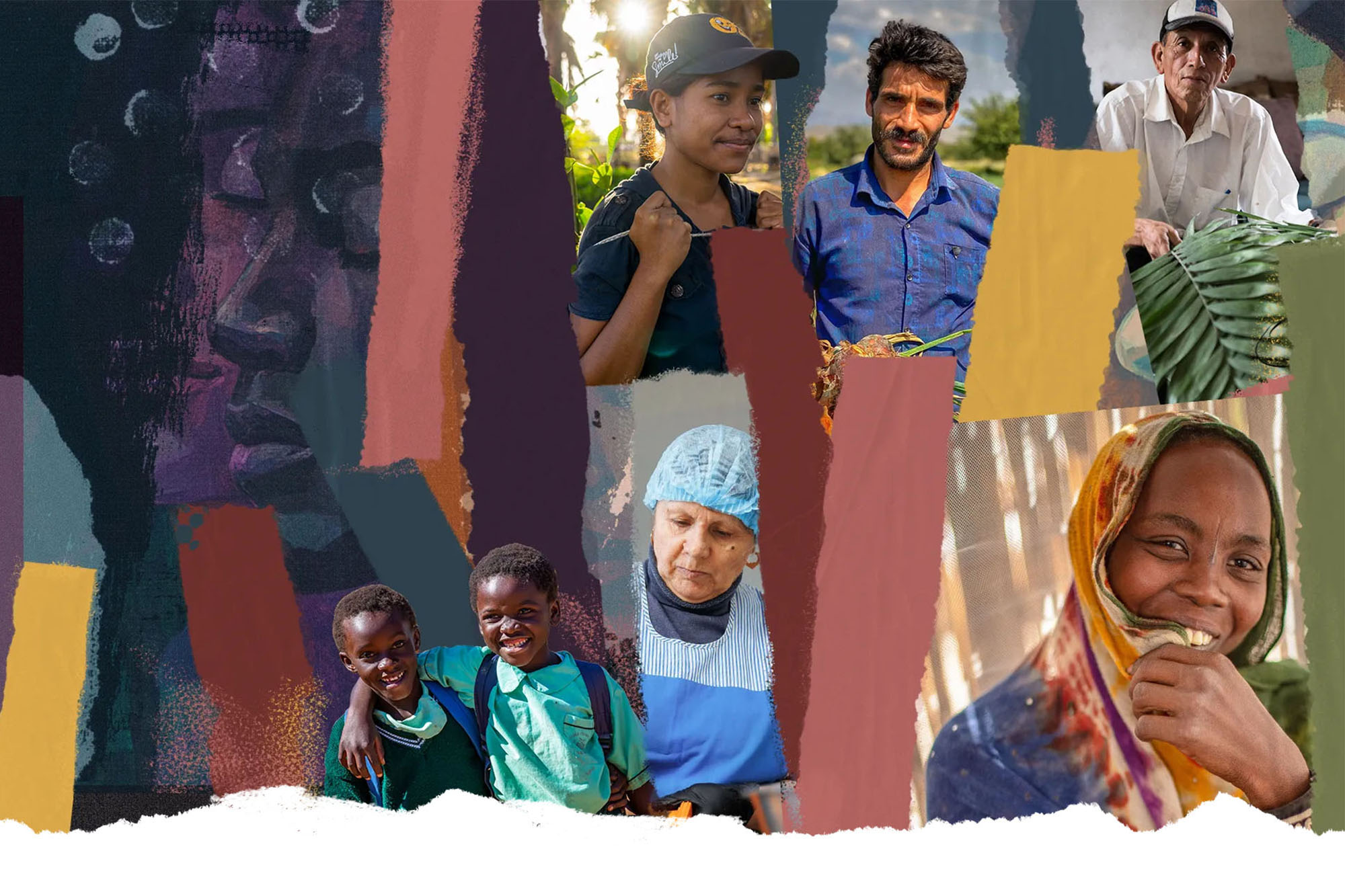
Human rights are fundamental to our values, encompassing the right to life, freedom, equality, health, education, work, and a sustainable environment. The Universal Declaration of Human Rights is a roadmap for building a peaceful world. Evidence shows that nations that protect human rights are less vulnerable to conflict and crises, while those that respect these rights are more resilient to challenges like pandemics and climate change. Embedding human rights into development reduces poverty and inequality, benefiting both communities and businesses.

Amid global challenges, nations are united to tackle interlinked issues such as strengthening health systems, advancing climate action, reducing inequalities, and promoting inclusive growth. On International Human Solidarity Day (20 December), the UN highlights its efforts to achieve the Sustainable Development Goals, reform financial and technological systems, and ensure equitable access to innovations like AI while mitigating associated risks. Global dialogue, advocacy and digital change show that sustainable development depends on empathy, mutual support and leaving no one behind.

With over 9000 attendees from more than 175 countries and more than 300 sessions, the 19th annual meeting of the Internet Governance Forum opens its doors today in Riyadh for five days (15-19 December) of discussions on public policy issues about the Internet. Under the theme ''Building our Multistakeholder Digital Future'', the conference will focus on four main themes, including the digital contribution to peace, development and sustainability; human rights and inclusion in the digital age; improving digital governance of the Internet; and harnessing innovation in the digital age.

The International Day of Persons with Disabilities (3 December) highlights the essential role of persons with disabilities in shaping a more inclusive and sustainable world. The 2025 observance builds on the reaffirmed commitment of world leaders gathered at the Second World Summit for Social Development to build a more just, inclusive, equitable and sustainable world and their understanding that advancing progress on social development depends on, and indeed necessitates, the inclusion of all segments of society.
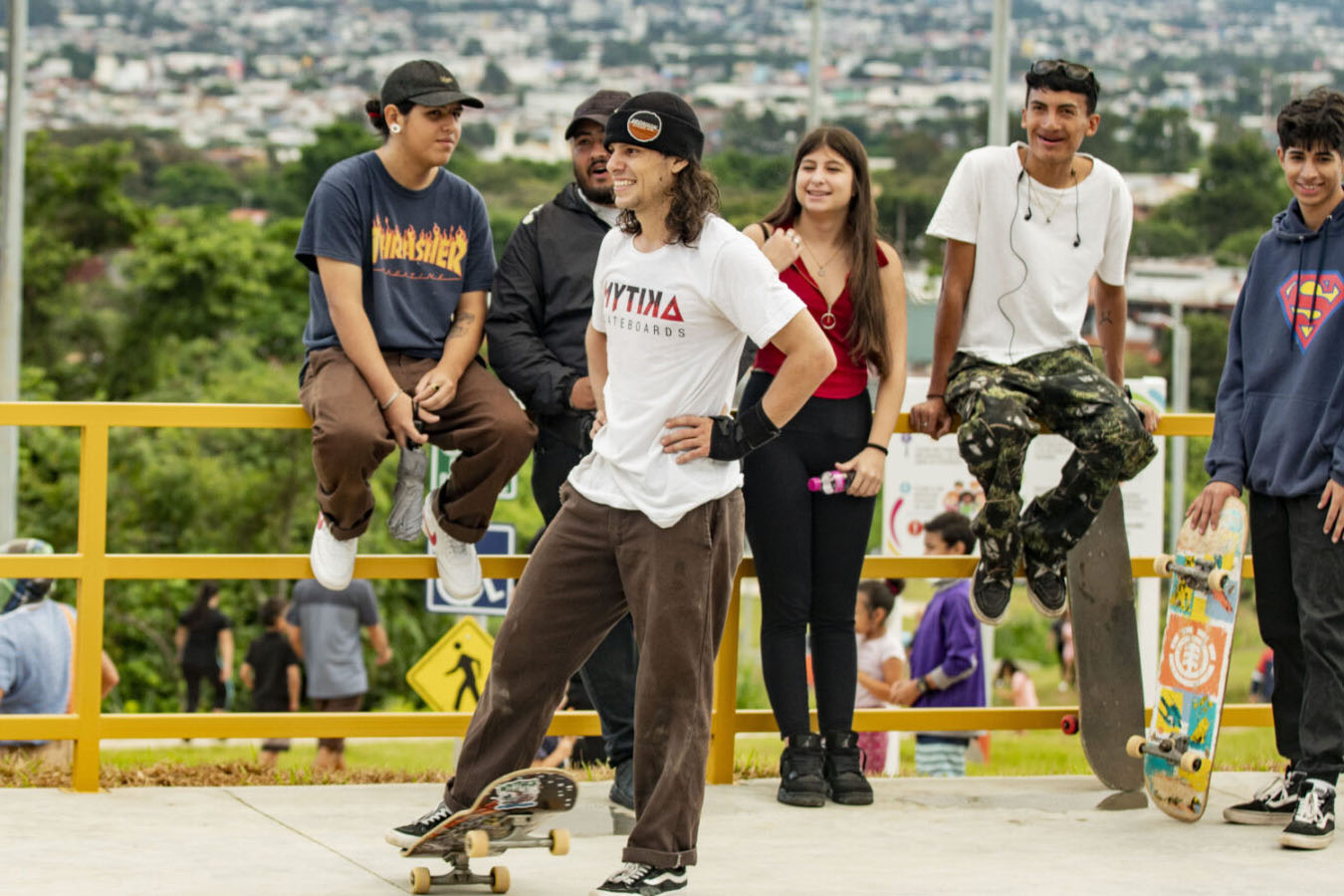
The Human Development Park in Alajuelita, Costa Rica, provides a vital recreational space for youth, fostering community engagement and inclusivity amid high rates of violence and social exclusion.

The signs of conflict, distrust, economic inequality, and the climate crisis are all around us. A staggering 2 billion of the world’s 8 billion people live in conflict. For them, planning next week, let alone the more distant future is an unimaginable luxury. The recent Summit of the Future launched a conversation on how to create a better present while preserving choices for future generations. The United Nations Development Programme (UNDP) kicked off the debate with its latest Signals Spotlight report, which identifies areas where our legacy to future generations is in doubt.