
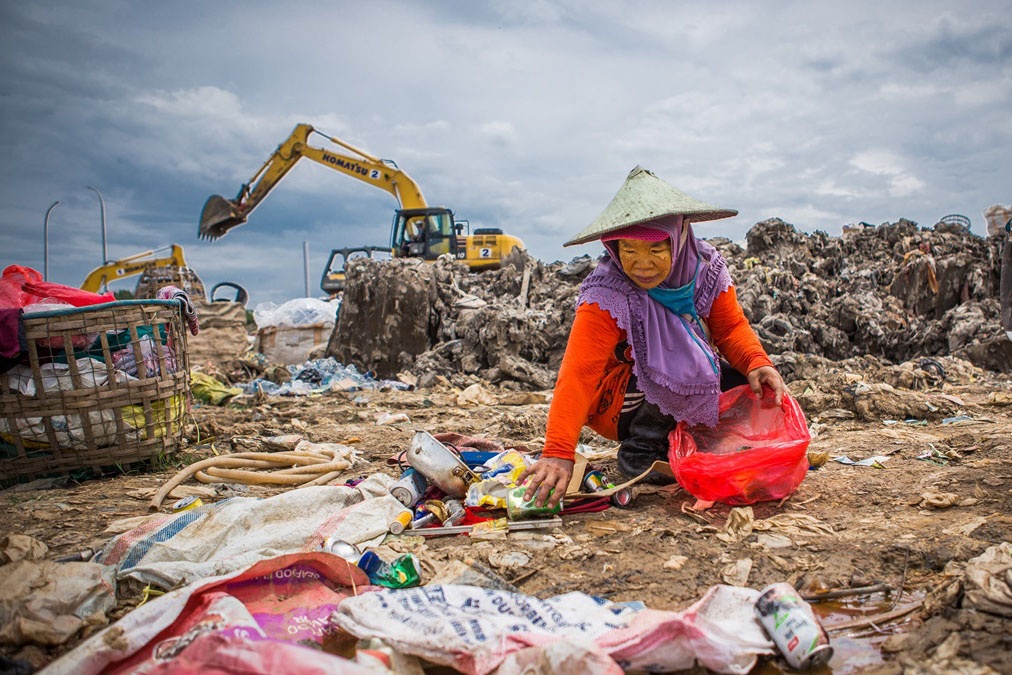
New data released by UNCTAD highlights the limitations of Gross Domestic Product (GDP) as an all-encompassing metric for progress, underscoring that higher economic output doesn’t equate to more inclusive and sustainable growth.
Social Development
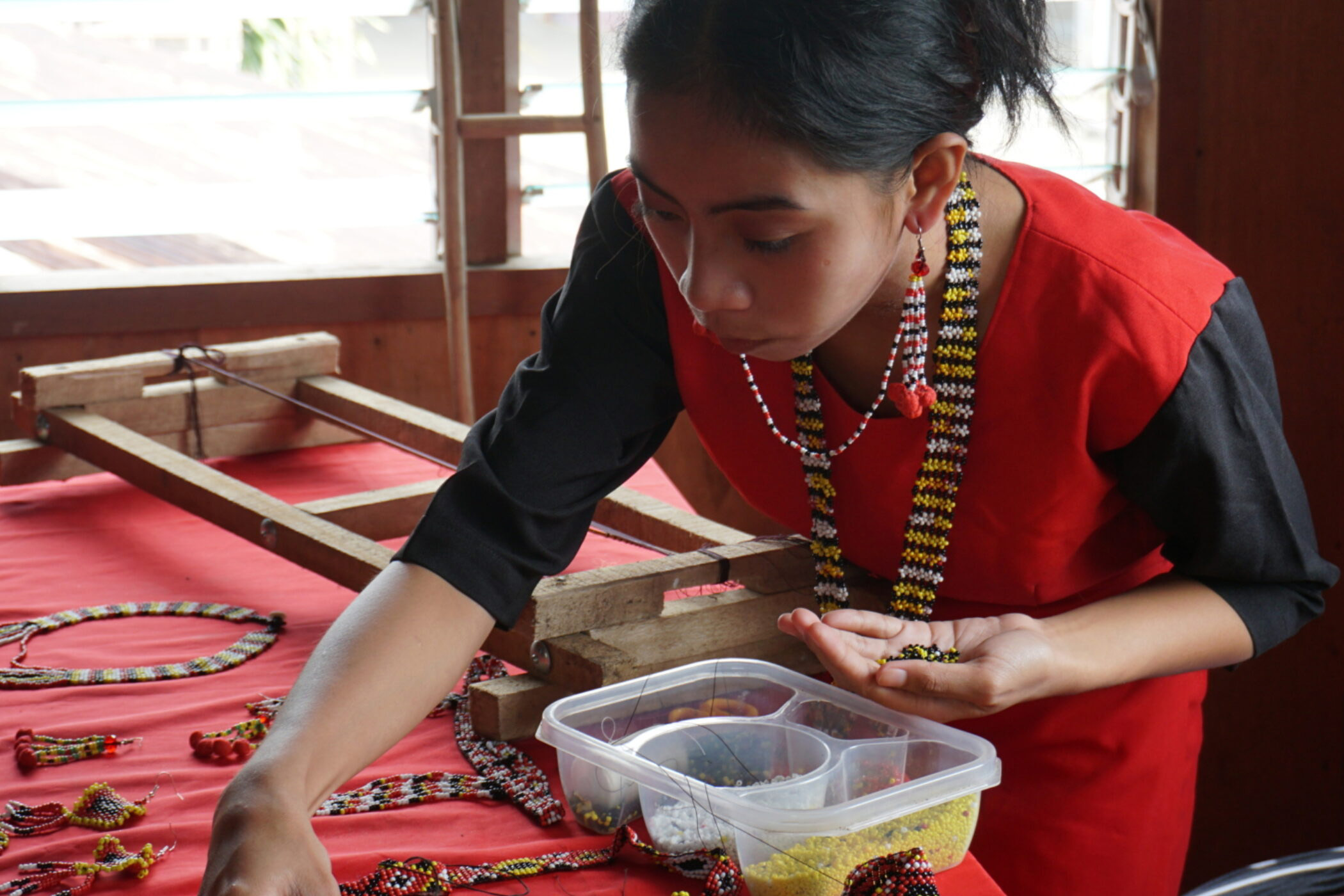
Facing historical discrimination, indigenous groups around the world lack access to social services and economic and political opportunities. The indigenous people of the Philippines are no different. Battling high levels of pervasive illiteracy and unemployment, even accessing a birth certificate is a challenge. Without a birth certificate, children are unable to access public education nor are they able to access government social welfare programs, intended to break the cycle of intergenerational poverty in the Philippines. With SDG 16 in focus, UNOPS in partnership with the EU are ensuring no one is left behind by providing access to legal services in the communities.
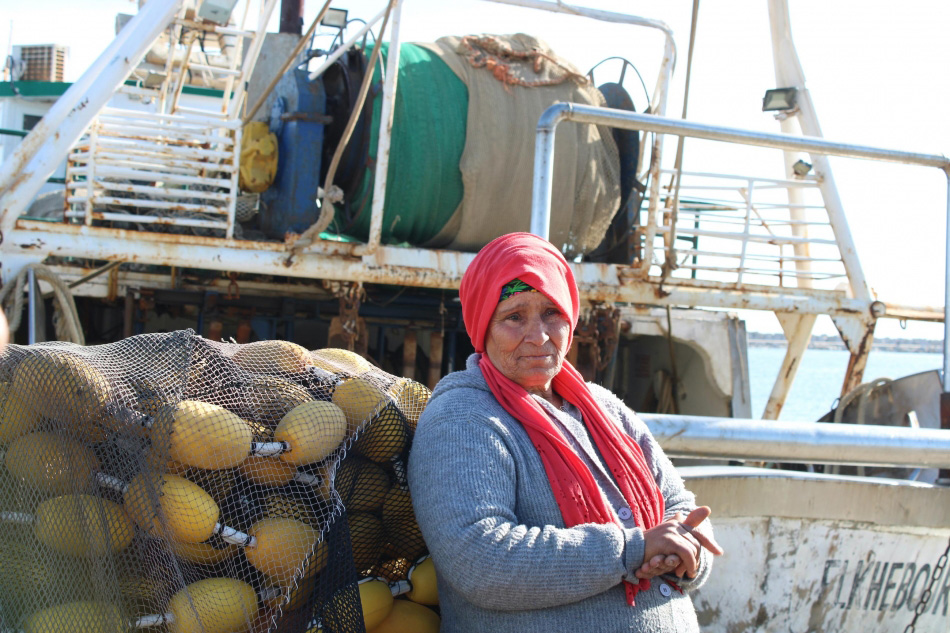
Mabrouka Ayadi, a 70-year-old widow who has been fishing her whole life, has no government pension or medical care. She hopes the SocPro4Fish project will lead to adequate coverage in the fisheries sector to support her health and well-being. “I have to take care of my health care. I have four kids at home, and they depend on my fishing,’’ she says. FAO and partners work to reduce poverty and sustain the aquaculture sector’s development. The project also seeks to expand coverage of social protection to fishers and fish workers in Tunisia and other countries.
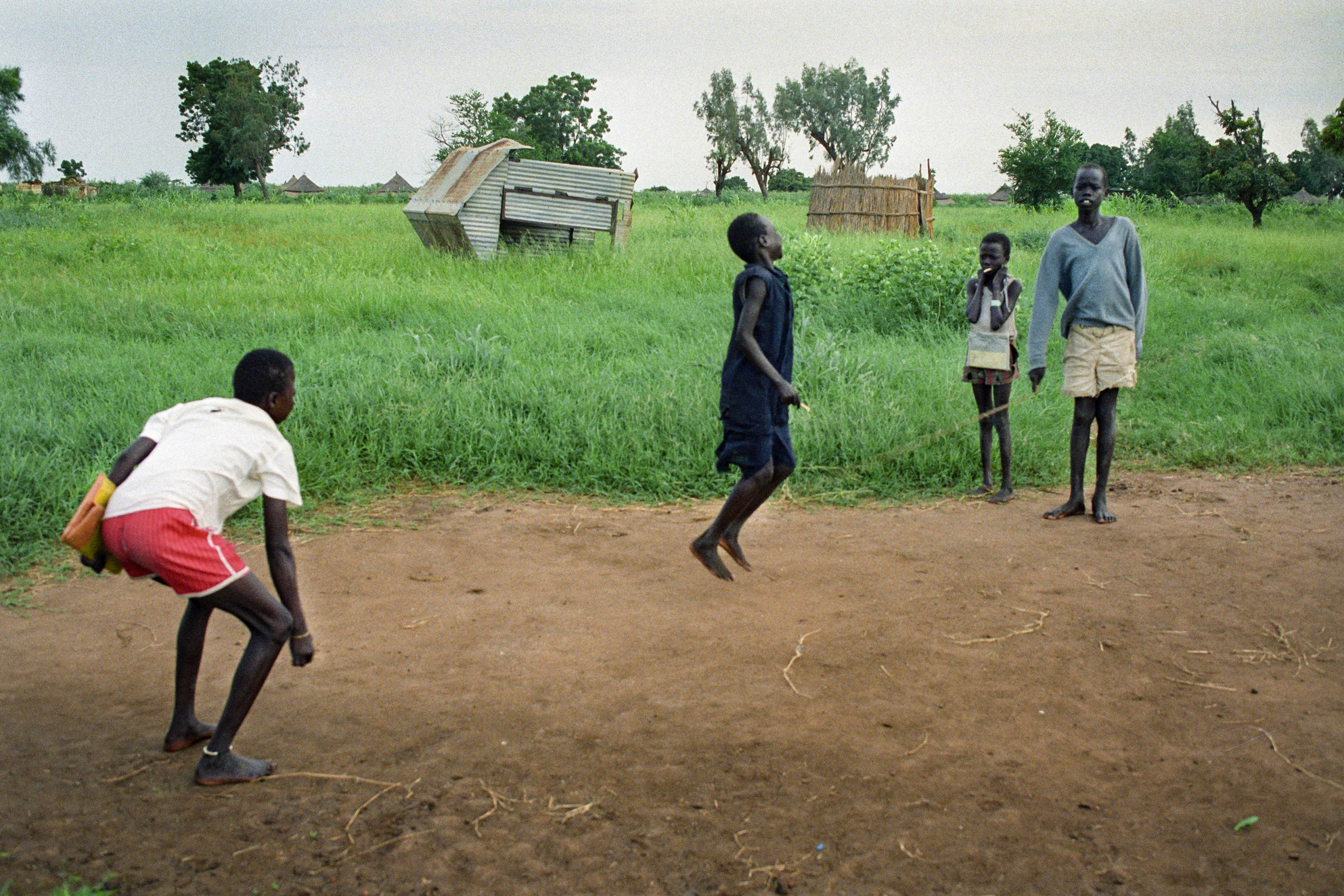
Our world faces many challenges, crises and forces of division — such as poverty, violence, and human rights abuses — that undermine peace, security, development and harmony among the world's peoples. To confront these challenges, their root causes must be addressed by promoting and defending a shared spirit of human solidarity that takes many forms, the simplest of which is friendship. The International Day of Friendship (30 July) upholds the idea that friendship between peoples, countries, cultures and individuals can inspire peace efforts and build bridges between communities.
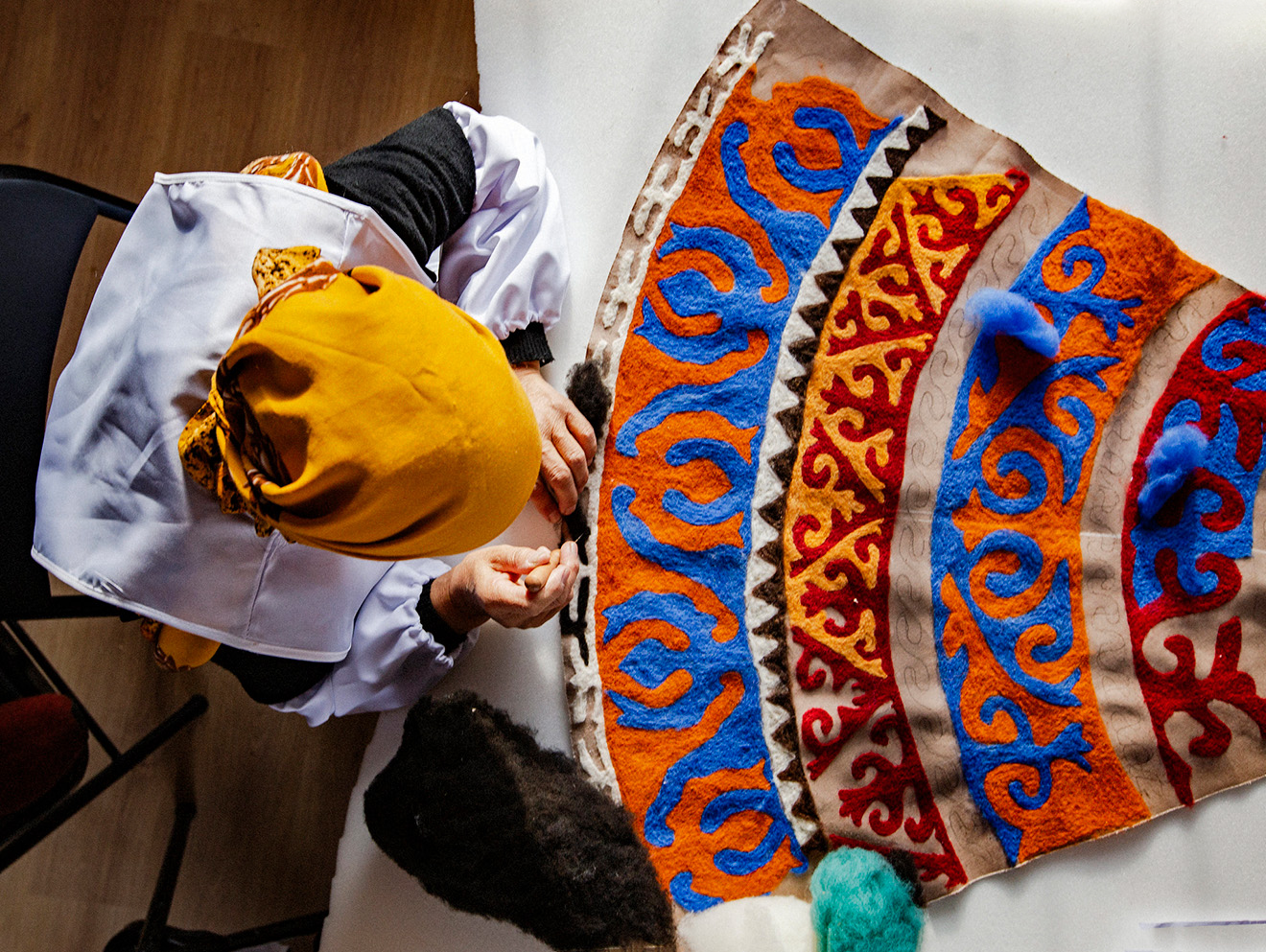
Fashion has one of the most powerful marketing engines that influences the identities, values, and actions of billions of people. This, in turn, impacts consumption patterns, a central factor in reducing the sector's climate impact. UNEP and UN Climate Change launched the Sustainable Fashion Communication Playbook, a guide with an interactive version, on how to align consumer-facing communication in the fashion industry with sustainable targets in accordance to the Paris Agreement. Its purpose is to reduce the carbon print and overconsumption, demand action, and inspire sustainable lifestyles.

Observed every 1 June, the Global Day of Parents provides an opportunity to appreciate all parents for their selfless commitment to children. Parents play the most important role in their child’s development, which is why UNICEF celebrates caregivers and calls for the support families need. Throughout June, UNICEF is sharing expert tips and resources to support caregivers and their families, including mental health guides on everything from self-care for busy parents to supporting teens during stressful times. Also available are fun play ideas to help make the most of every moment together.

In Colombia, the coastal town of Buenaventura boasts one of the country’s busiest ports. Local communities rely to a great extent on fisheries and aquaculture to make a living, and women make up a large part of the workforce. These women fish sellers – known as the Platoneras - work informally and earn low wages. These women are not covered under any social protection scheme, making them particularly vulnerable to adverse shocks such as illness, injury, and the eventual onset of old age. FAO, and its partners including the Norwegian Agency for Development Cooperation, NORAD, are supporting the Platoneras to strengthen their livelihoods and improve their access to social protection schemes - all the while boosting the community's food security. Sandra Gómez Montaño speaks with Heysel Calderón and Andrea Garay. Presented by Laura Quiñones.
Photo: @ FAO/Heysel Calderón
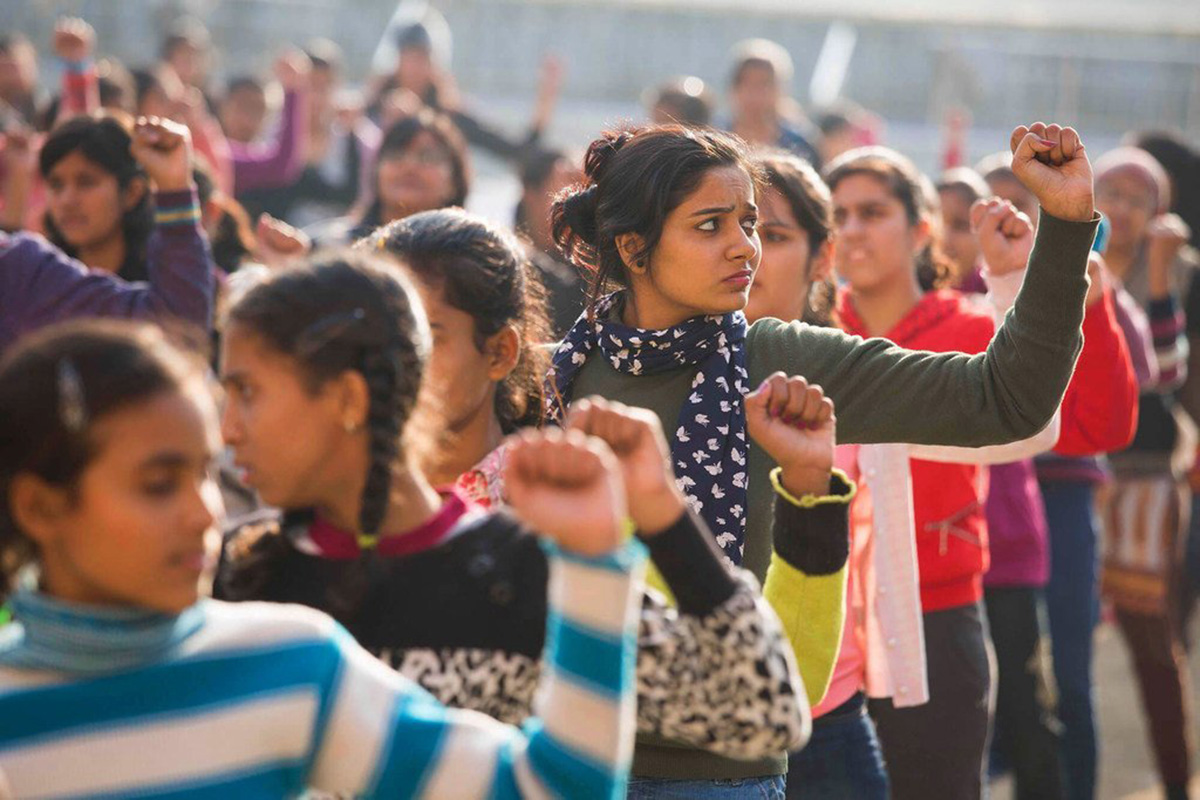
Today, most workers have not recovered their pre-pandemic labour incomes and the gender gap in hours worked has continued to grow. Roughly half the world’s population remains without access to social protection. World Day of Social Justice 2023 focuses on the recommendations of Our Common Agenda, the Secretary-General’s vision of responding to humanity’s most pressing challenges through cooperation. This year’s observance calls to strengthen the social contract that has been otherwise fractured by rising inequalities, conflicts and the weakening of institutions meant to protect workers’ rights.
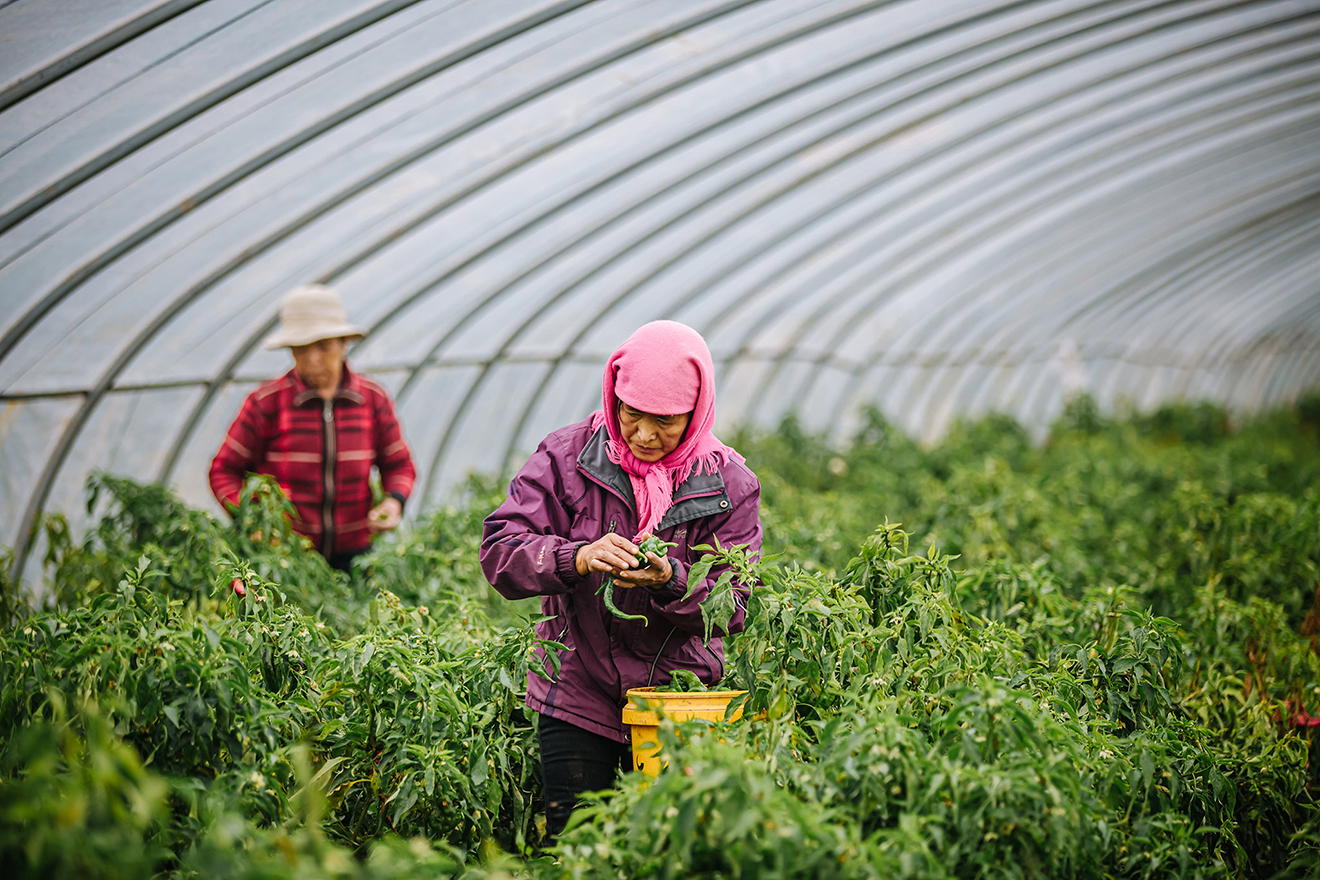
COVID-19, the war in Ukraine and resulting food and energy crises, surging inflation, debt tightening, and the climate emergency battered the world economy in 2022. World output growth is projected to decelerate from 3% in 2022 to 1.9% in 2023, one of the lowest growth rates in recent decades, according to the UN World Economic Situation and Prospects 2023. The flagship report of DESA presents an uncertain economic outlook. Global growth is forecast to moderately pick up to 2.7% in 2024 as some of the headwinds will begin to subside, but stronger international cooperation is imperative.

An essential part of the work on development and the SDGs consists of ensuring public access to information and the protection of fundamental freedoms. The role of the United Nations has been to assist the various national information media, by supplying accurate information from which these media may draw both substance and inspiration for their work. World Development Information Day (24 October) aims to draw the attention of the world to development problems and the need to strengthen international cooperation to solve them.
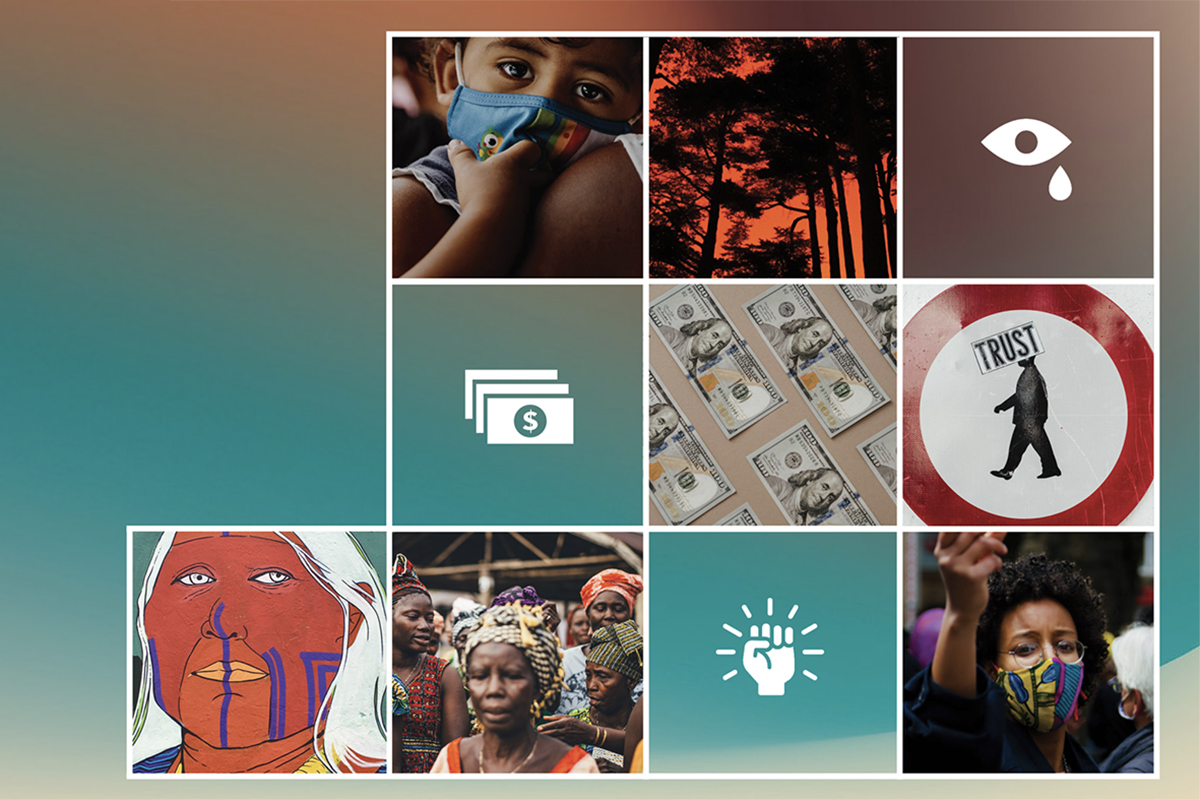
The global health crisis doubled the wealth of the 10 richest men in the world while sending upwards of 120 million people into extreme poverty. This year’s UNRISD Flagship Report shows how inequalities and crises reinforce and compound each other, leading to extreme disparity, vulnerability and unsustainability. It argues that this is not the result of a broken system but one in which inequality and injustice are built in by design. The social contract has broken down to the great detriment of people and planet. Join us for the launch of the Report on 21 October in Geneva.
Learn about the key findings from the new Human Development Report 2021/22 "Uncertain Times, Unsettled Lives: Shaping our Future in a Transforming World" through this short animated explainer video.
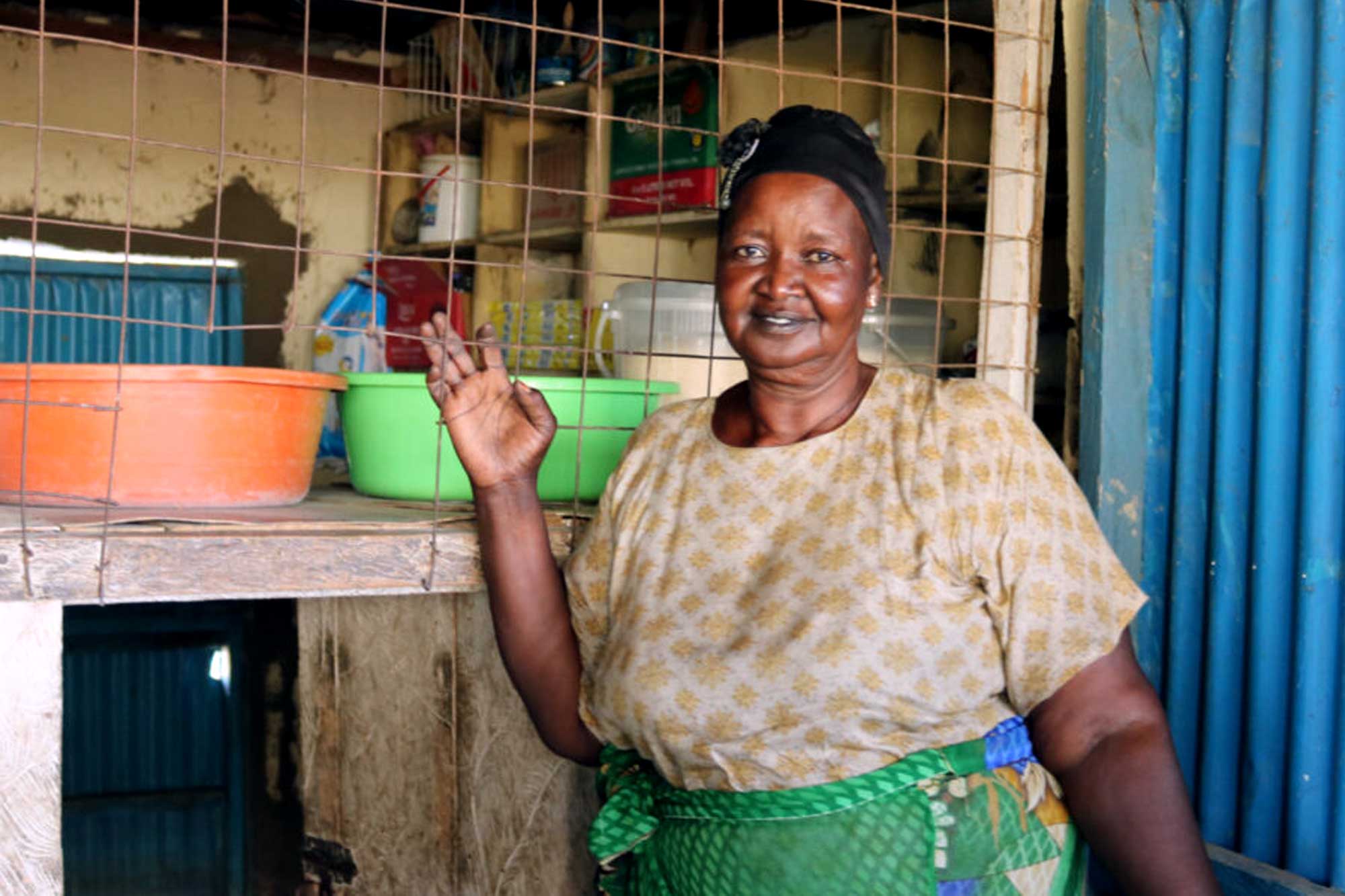
UNOPS is implementing the South Sudan Safety Net Project on behalf of the government of South Sudan, using $40 million in funding from the World Bank.
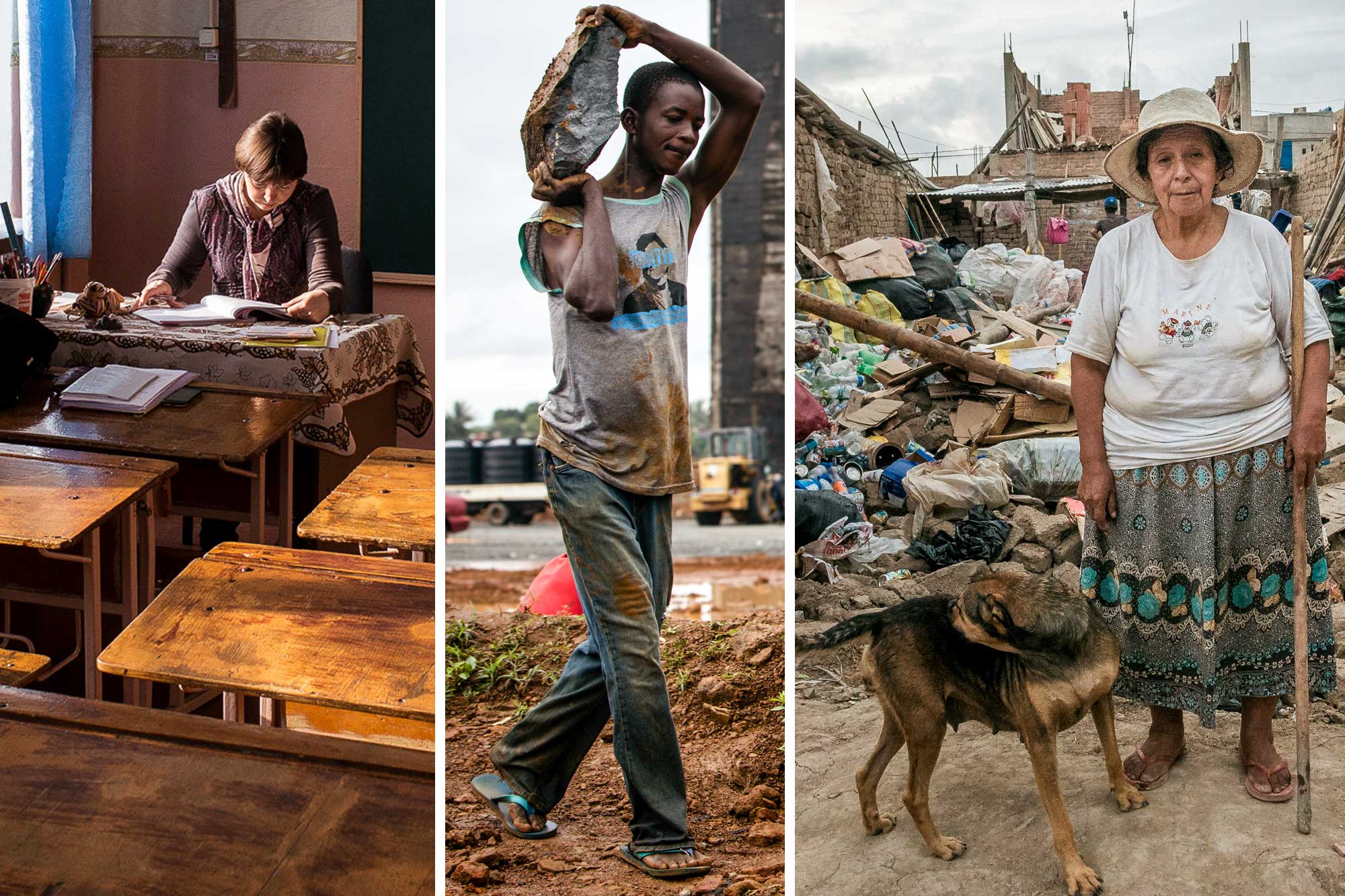
One of the great lessons of our species is that we can accomplish a lot with very little if we work together. Development is about change; charting new paths forward into the unknown; and transforming our world, according to the 2030 Agenda for Sustainable Development.
Flux is normal. Throughout history, humans have struggled with plagues, war, and political upheaval. Yet, our present uncertain times are different in unprecedented ways. If we don’t feel that our lives are secure, it is because they aren’t. The UNDP’s latest Human Development Report indicates that we are navigating uncharted waters. But there is hope. The report suggests three ways to help navigate—and even thrive—in the new uncertainty complex.
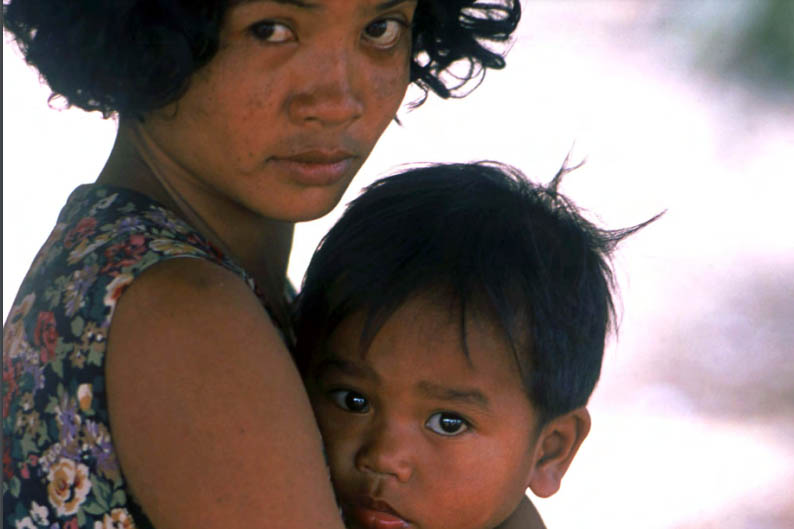
Despite significant progress in much of Asia and the Pacific social protection policies still lag behind other areas of the world, according to a new ILO report.